
 US(USD)
Two-Way Empowerment of Entertainment and Professionalism
- Apr.10, 2026 00:00:00
- 0 Comments
"The moment I stepped on the gas, my adrenaline spiked instantly. The vibration from the steering wheel was so real that it tingled my fingertips, as if I was really racing on the track." Recently, Mr. Wang, a citizen, couldn't help sharing his feelings after experiencing a racing simulator. Today, racing simulators, once a "desktop toy" for a small group of enthusiasts, are quickly entering the public eye, becoming a new leisure option that combines entertainment and professionalism.
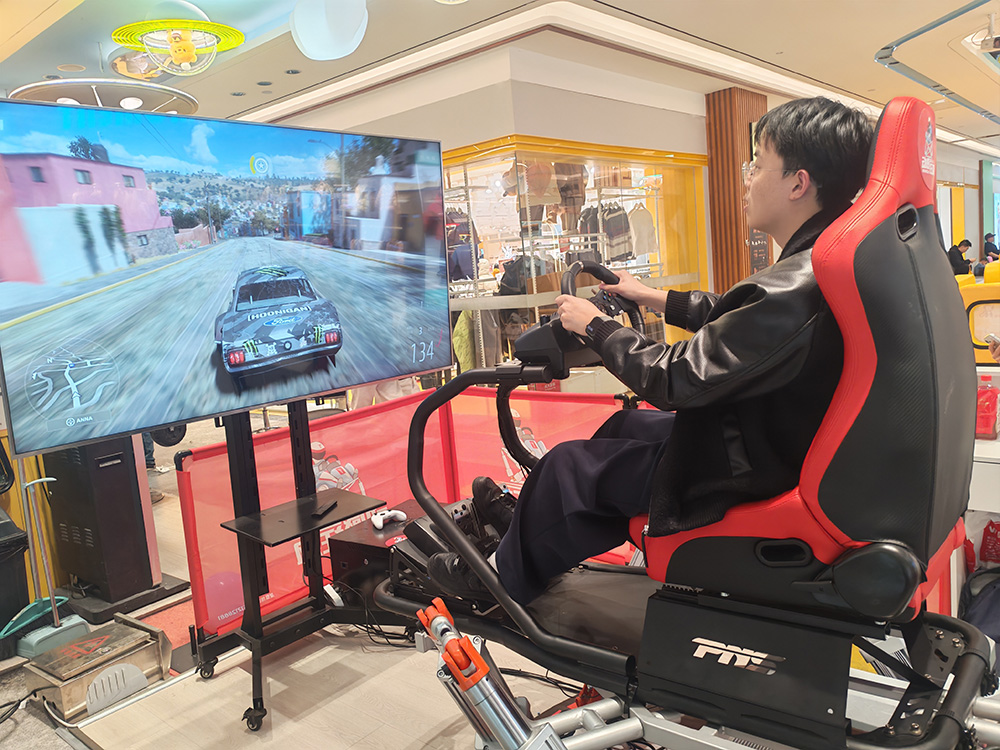
Unlike traditional racing games, professional racing simulators use direct-drive force feedback steering wheels, 6-axis motion platforms, high-definition triple screens or VR devices, combined with highly realistic physics engines, which can accurately restore details such as tire grip and road bumps, creating a full-body immersive driving experience. Whether beginners are pursuing the thrill of speed or enthusiasts want to improve their driving skills, they can find a suitable experience mode.
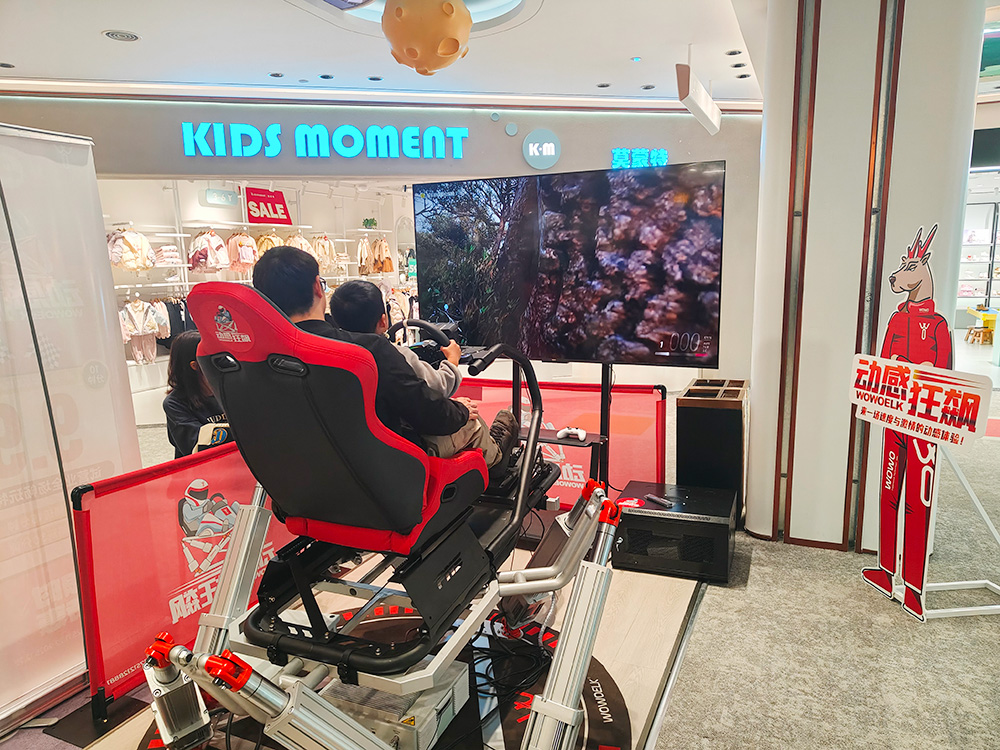
Market data shows that the global racing simulator market is growing rapidly, with a market size of 4.8 billion US dollars in 2025, a year-on-year increase of 27.3%, and it is expected to exceed 6.2 billion US dollars in 2026. At present, shopping malls, VR experience halls, professional racing halls and other venues around the world have introduced relevant equipment, and entry-level home products have also become a new choice for family leisure due to improved cost performance.
It is worth noting that the value of racing simulators has gone far beyond entertainment itself. Professional teams such as F1 use them for driver training and vehicle tuning, automobile companies use them to reduce R&D costs, and even some users have improved their real driving skills through simulator training. With the in-depth penetration of AI and VR technologies, its sense of experience will continue to upgrade.
Industry insiders said that the popularity of racing simulators not only conforms to the public's demand for immersive entertainment under consumption upgrading, but also promotes the popularization of racing culture globally. In the future, with the continuous iteration of technology, this "virtual track artifact" will achieve in-depth integration of entertainment and professionalism and enter more people's lives around the world.