
 US(USD)
Unleash Immersive Racing!
- Apr.23, 2026 00:00:00
- 0 Comments
These days, racing isn’t just for professional drivers anymore. Thanks to the growing popularity of racing simulators, casual enthusiasts can experience the thrill of high-speed driving right from the comfort of their own homes. Whether you’re looking for a fun way to unwind or want to sharpen your racing skills and learn the ins and outs of different tracks, racing simulators have become a must-have gadget for speed lovers. No matter if you’re a total beginner or a seasoned hobbyist, understanding the basics of racing simulators is key to getting the most out of your experience. This complete guide will help you get up to speed in no time.
A racing simulator is an immersive setup that combines hardware and software, designed to replicate the feel of real-world racing—from the responsiveness of the steering wheel to the feedback of the road and the excitement of iconic race tracks. It breaks down barriers of time, space, and location: no need to worry about safety risks or shell out big money for track fees. You can fire up your racing session anytime, whether you’re at home or in your home office, making it perfect for speed fans of all ages and skill levels.
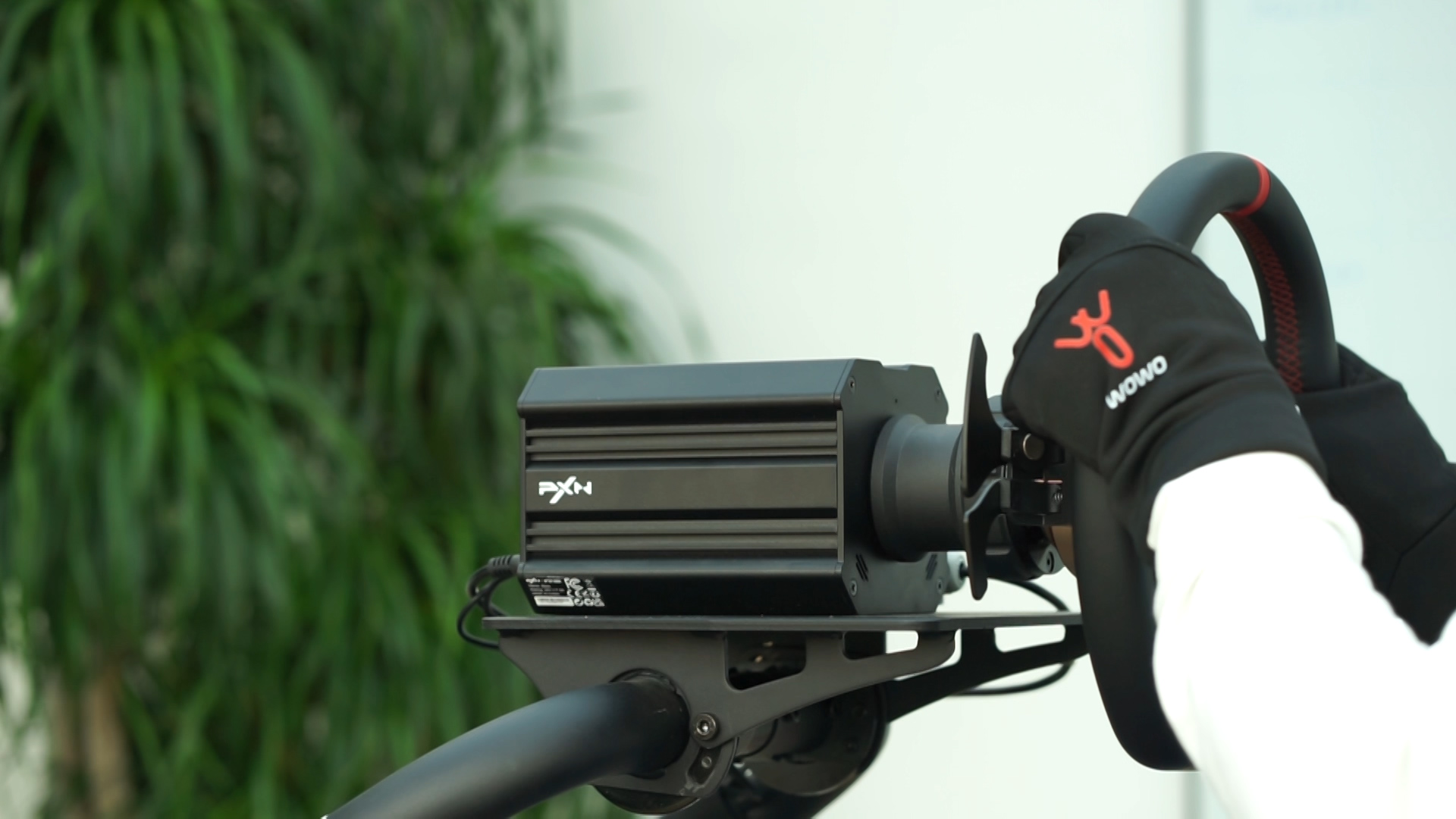
A full racing simulator setup relies on three core hardware components—none of which you can do without. First up is the steering wheel base, the heart of the simulator that dictates how precise and responsive your controls feel. There are two main types: direct-drive and belt-driven. Direct-drive bases offer lightning-fast response times and ultra-detailed feedback, ideal for gamers chasing the most realistic experience. Belt-driven bases, on the other hand, are more stable, quieter, and offer great value for money—making them the top pick for beginners.
Next is the pedal set, which mimics the gas, brake, and clutch of a real car. High-quality pedals come with pressure sensors or hydraulic systems, delivering a feel that’s true to a real race car. You can adjust the travel distance and resistance to match your driving style, boosting your sense of immersion even further. Finally, there’s the display: curved monitors, triple-screen setups, or VR headsets are the most popular choices. Triple screens and VR offer a wider field of view, pulling you deeper into the racing action.
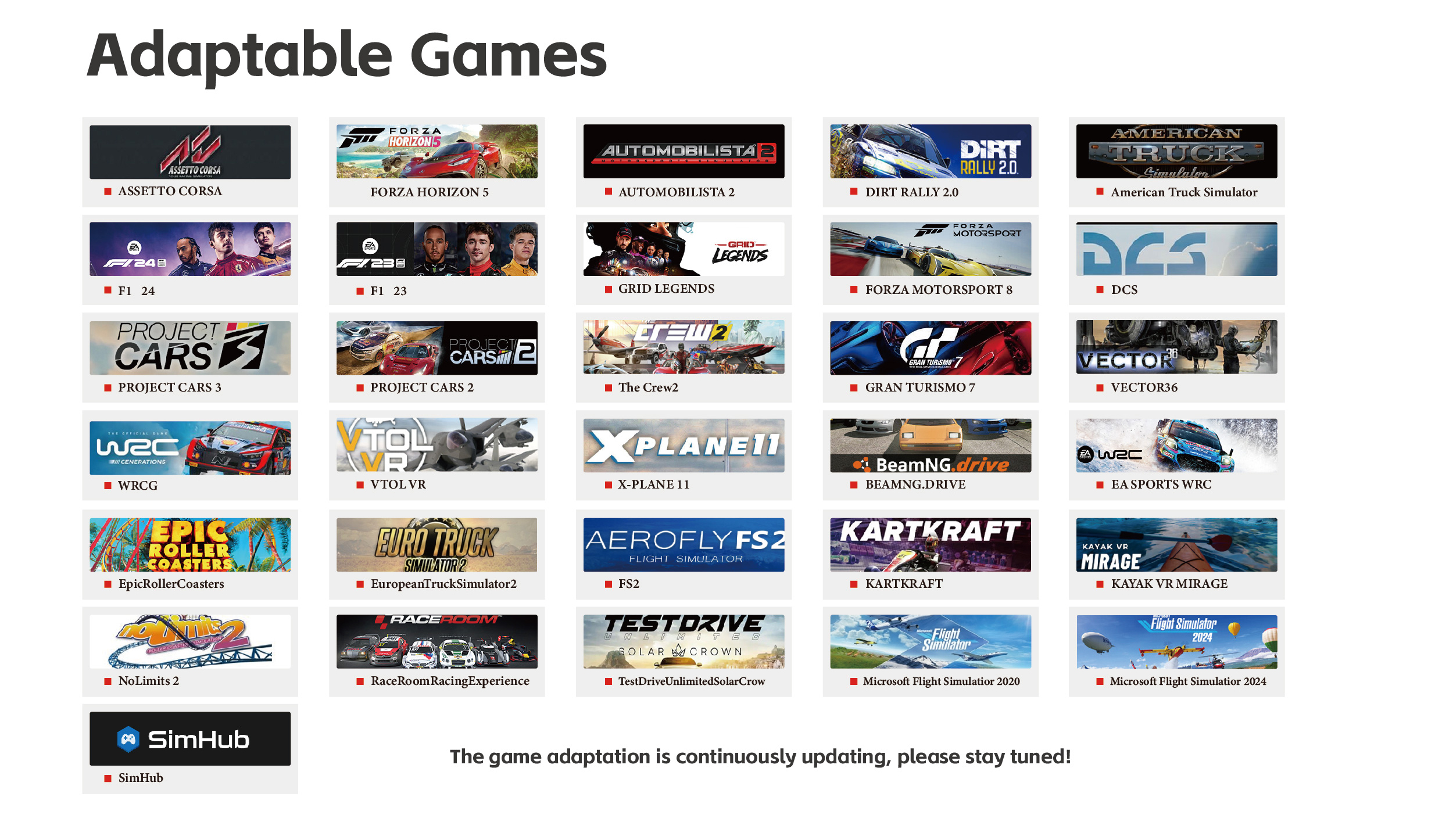
Beyond hardware, software compatibility is just as important. Racing simulators need to pair with professional racing games—popular titles like Assetto Corsa, Dirt, and Forza Horizon. These games replicate world-famous tracks and a wide range of car models, with customizable settings to fit different hardware setups. Top-tier simulators also support device integration, so you can add racing seats, mounts, and other accessories to take your immersive experience to the next level.
From beginner setups to pro-grade systems, there’s a racing simulator for every budget and skill level. If you’re new to the hobby, there’s no need to splurge on high-end gear right away—a solid entry-level setup (between $450-$750) will cover all your basic needs. As your passion grows, you can upgrade your hardware piece by piece. More than just a fun gadget, a racing simulator is the bridge between casual fans and the world of professional racing—letting every speed lover unlock their own racing universe, one lap at a time.
- Previous: Racing Simulator Maintenance Guide
- Next: Immersive Speed!