US(USD)
Professional Simulators Become a Must-Have for Racing Competitions
- Mar.11, 2026 14:49:28
- 0 Comments
As the roar of virtual engines echoes through screens, esports racing has evolved from a form of entertainment to a professional competitive sport, becoming one of the fastest-growing segments in the esports industry. Meanwhile, professional racing simulators are no longer niche "enthusiast gear" for hardcore players. With their extreme realism and professionalism, they have become a must-have for various esports racing competitions, building a bridge between virtual racing and real-world tracks, and driving the industry towards standardization and professionalism.
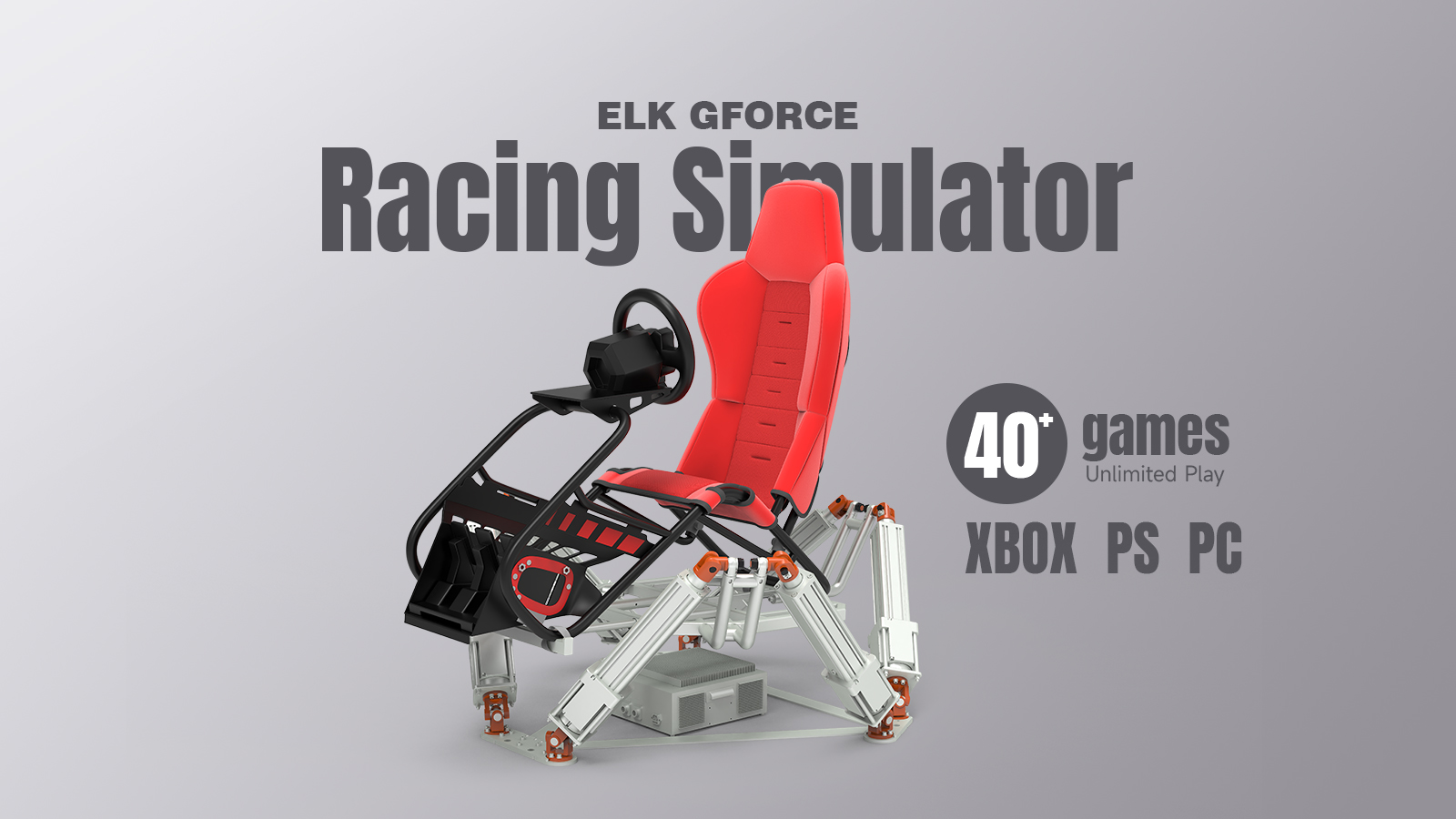
In recent years, esports racing has witnessed rapid growth, with a steadily expanding audience and an increasingly improved competition system. From the world-class F1 Esports Pro Series to domestic events like the Belt and Road World Racing Championship, competitions at all levels attract top players from around the globe. It retains the competitive core of real-world racing while breaking through practical limitations such as venue constraints and high costs—and this would not be possible without the technical support of professional simulators.
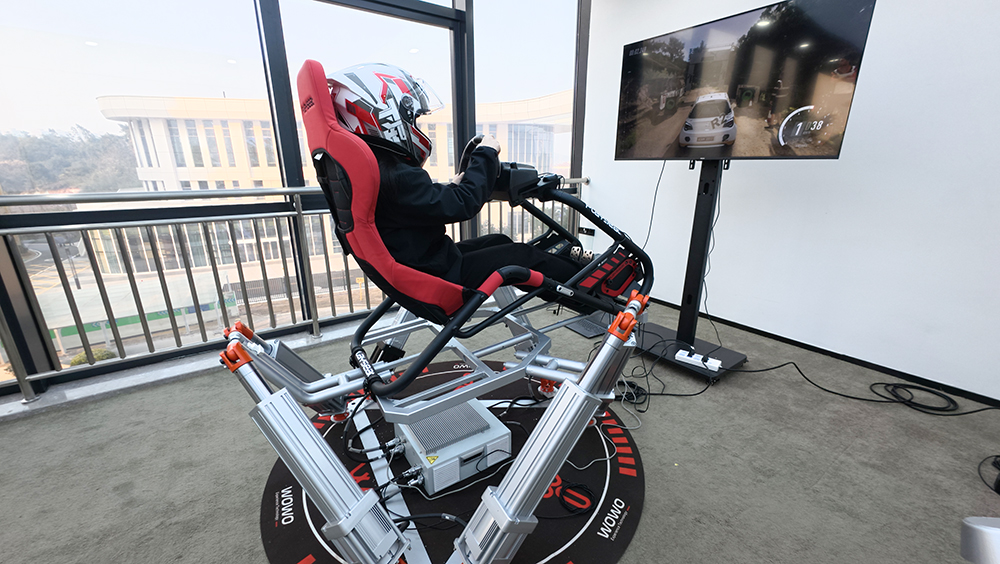
Professional racing simulators are essentially different from ordinary gaming peripherals, with their core value lying in "extreme realism". Today, they have formed a complete technical system: on the hardware side, direct-drive bases, pressure-sensitive pedals and other components work together to delicately transmit details such as road bumps and engine vibrations, allowing players to accurately control driving force; on the software side, they embed real vehicle dynamics data, restore track details through laser scanning, support configuration of various competition rules, and some are even equipped with AI coach functions to help players improve their skills.
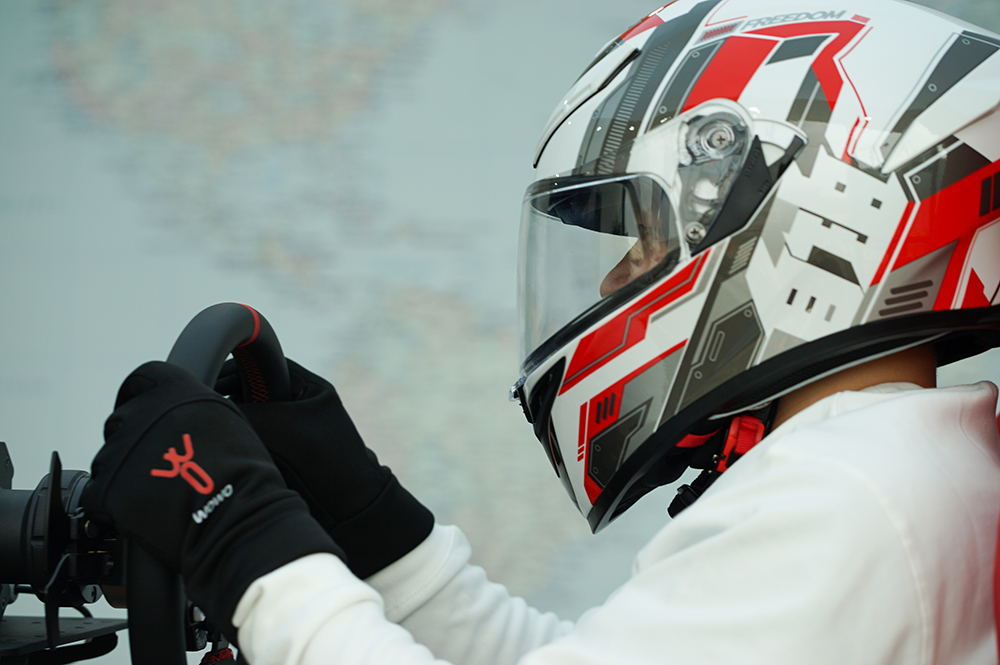
In professional competitions, the "fairness" and "professionalism" of simulators are fully reflected. All players use simulators of the same specification, with the same vehicle models and track data, completely eliminating unfairness caused by hardware gaps and focusing purely on driving skills and strategic planning. This fairness has attracted many professional real-world racers to participate—Red Bull driver Sergio Pérez once used a simulator to train for night track conditions, eventually winning the race with a virtual lap time error of only 0.1 seconds compared to his actual performance.
The popularization of professional simulators has not only promoted the standardization of esports racing competitions but also driven the development of the entire racing esports ecosystem. Standardized configurations reduce the cost of event operation, enabling competitions to be easily held in multiple cities and forming a closed loop of "promoting stores through competitions and supporting competitions through stores". At the same time, simulator brands have established close cooperation with esports teams and automakers, realizing two-way talent transfer between virtual and real-world racing, and also helping automakers carry out joint marketing activities.
From entertainment peripherals to essential competition equipment, professional simulators have witnessed the transformation of esports racing from a "game" to a "professional sport". In an era of in-depth integration of technology and sports, as a core carrier, they continue to empower the development of competitions, talents and the industry. In the future, virtual racing is bound to usher in broader development space in the global market.