US(USD)
Growth Opportunities of 6DOF Racing Simulators in European and American Markets
- Jul.24, 2026 08:18:00
- 0 Comments
Europe and America are the birthplace of sim racing with deeply rooted motorsport culture and mature simracing communities, laying a solid market foundation for 6 Degrees of Freedom (6DOF) racing simulators and offering clear long-term growth potential for export businesses. Europe boasts a robust ecosystem built around events such as Formula 1 and the WEC, while North America hosts massive audiences for NASCAR and IndyCar. Professional racing teams, commercial simulation venues and high-end private enthusiasts together form a stable demand base.
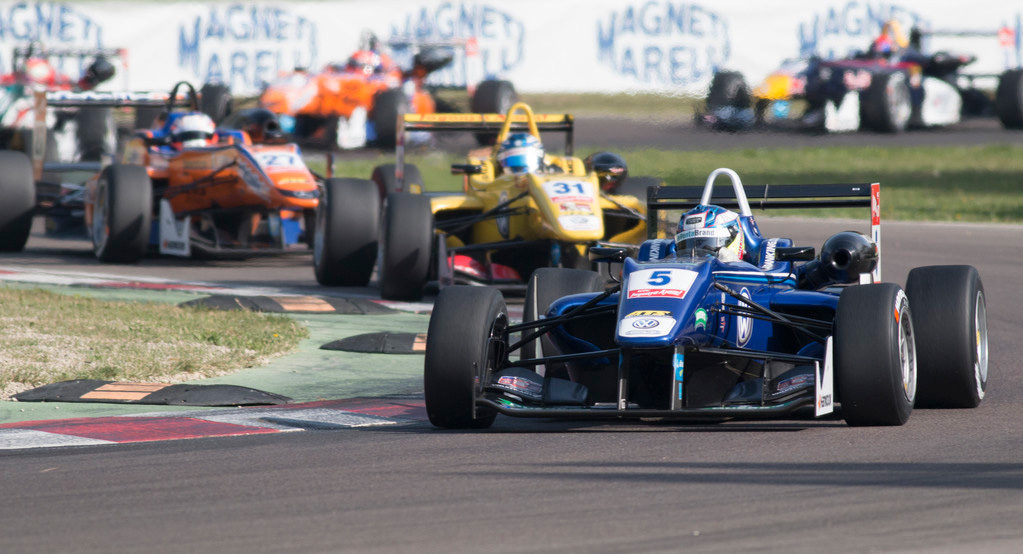
The B2B segment represents the core source of incremental demand in Europe and America. Numerous GT and Formula racing teams adopt 6DOF platforms for pre-event driver training and vehicle tuning strategy development, substantially cutting costs associated with on-track real-car testing. New energy vehicle manufacturers and chassis research institutions across Europe and North America continuously procure high-precision motion platforms for vehicle dynamics research and autonomous driving simulation testing. Meanwhile, many commercial racing experience centers and automotive brand showrooms in the United Kingdom, Germany and the United States are upgrading their facilities by phasing out simple 3-axis simulators. They prefer high-fidelity 6DOF systems to deliver premium experience offerings. On the consumer side, veteran sim racing enthusiasts in Europe and America are willing to pay for authentic motion feedback, bringing steady growth in demand for custom-built 6DOF cockpits.
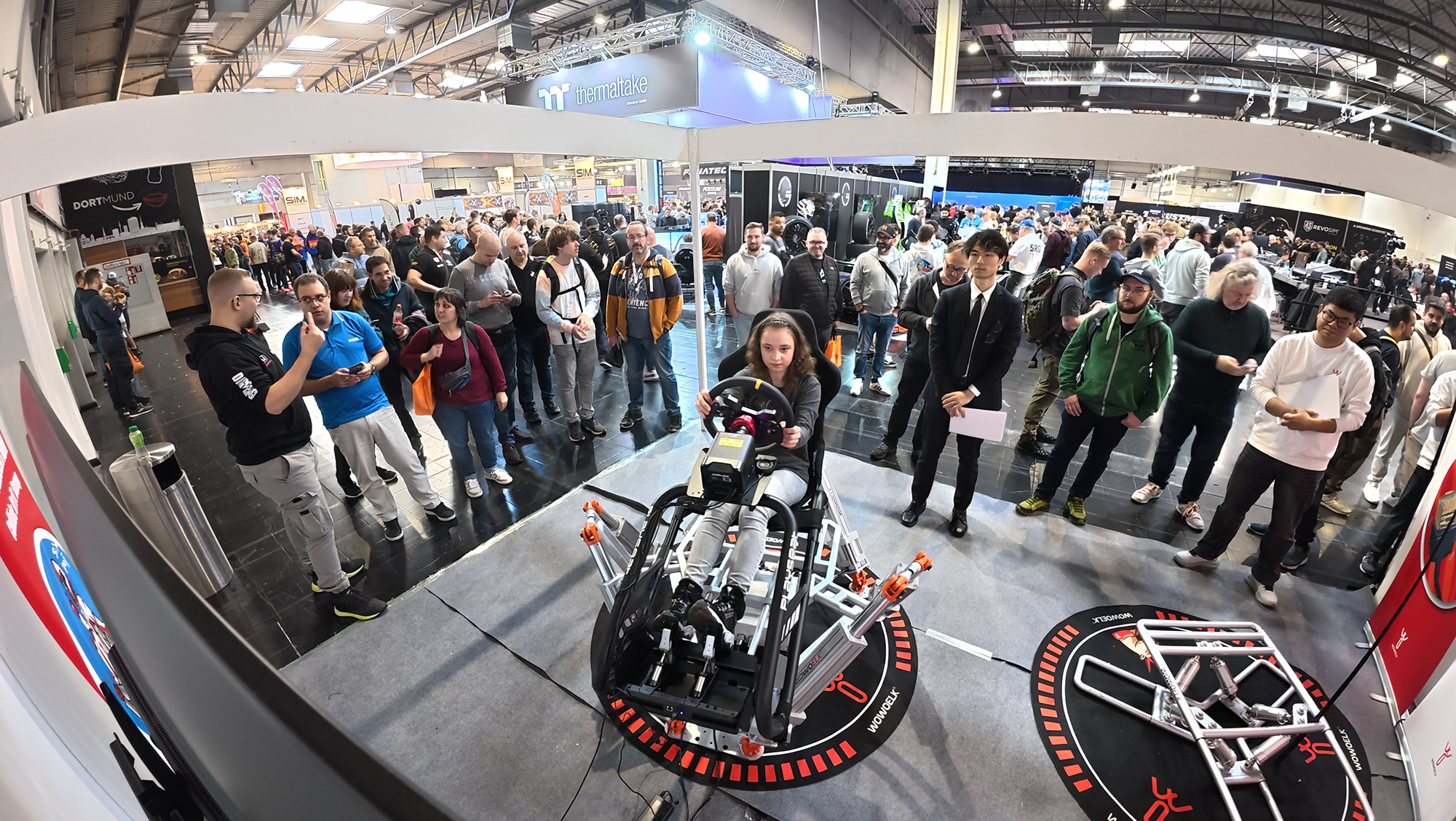
In terms of market landscape, the high-end simulator segment has long been monopolized by local overseas brands with premium pricing. Leveraging a complete servo supply chain, domestic 6DOF platforms deliver notable cost-performance advantages at equivalent simulation quality, serving as a core competitive edge for market penetration. With refined washout algorithms, full compatibility with mainstream software including iRacing and Assetto Corsa, and completed CE certification and electrical safety approvals, manufacturers can gain access to overseas distributors and general engineering contractors.
Significant challenges remain for overseas expansion. Customers from Europe and America attach great importance to smooth motion performance, low latency and long-term operational reliability. Established local brands create strong brand recognition barriers. In addition, the lack of on-site overseas after-sales support hinders large order conversion. Bulky equipment also drives up logistics costs and raises overall project implementation thresholds.
Overall, the European and American market for 6DOF racing simulators maintains steady growth. Enterprises should prioritize the B2B market, focusing on racing training institutions, commercial experience venues and automotive OEM simulation projects. By providing standardized complete set solutions, English technical documentation and remote maintenance services, manufacturers can capitalize on cost advantages to substitute imported products and gradually capture share in the high-end overseas simulation equipment market.